25 OTT Platforms Including Ullu and ALTT Banned in India: Government Acts Against Vulgar Content
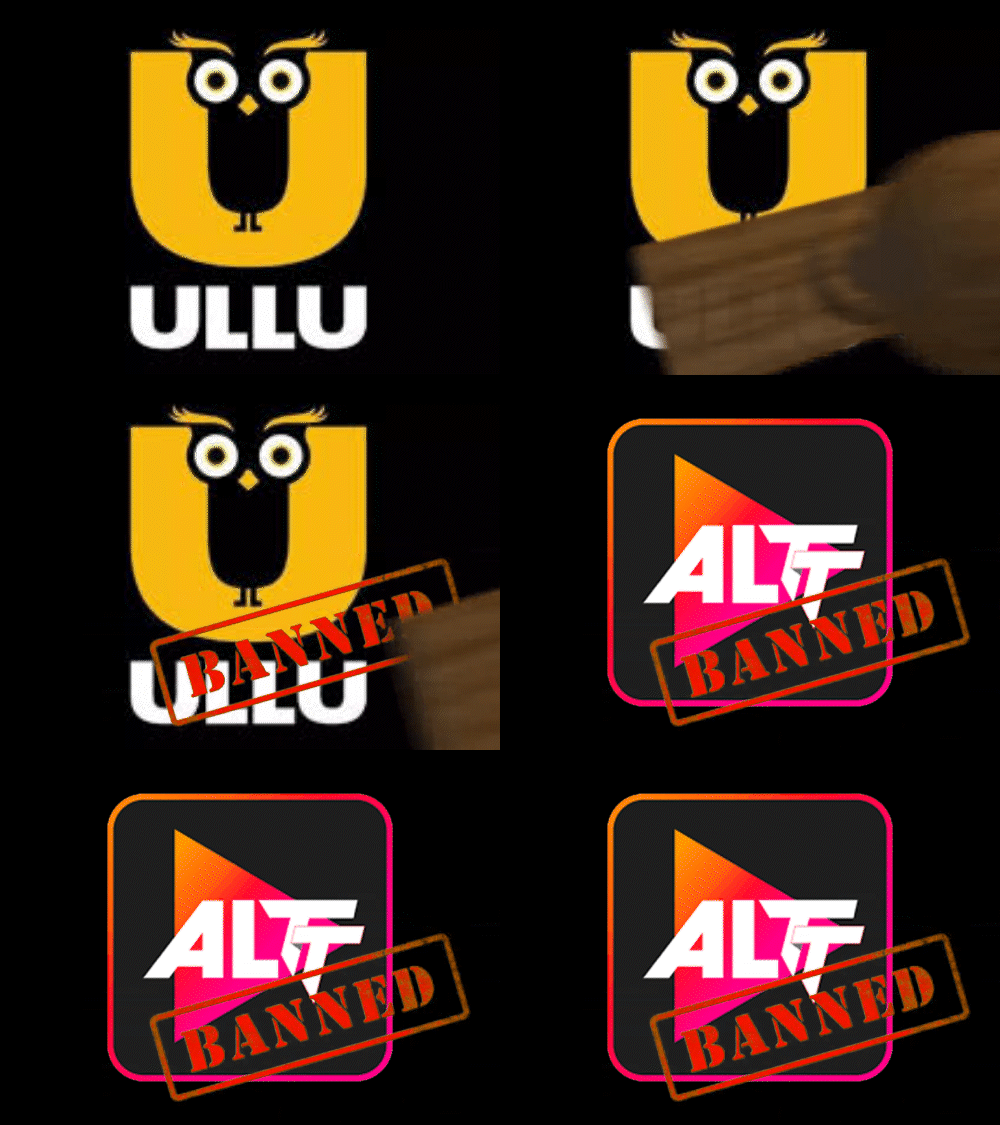
OTT Ban 2025:In a significant crackdown on indecent online content, the Indian government has issued a ban on25 Over-the-Top (OTT) platforms, citing concerns over explicit and objectionable material being streamed under the guise of entertainment. Among the platforms facing the ban are popular names likeUllu,ALTT, andDesi Flicks.
The Ministry of Electronics and Information Technology (MeitY) has formally directed all Internet Service Providers (ISPs) toblock access to these OTT apps and associated websites. According to the government, these platforms were found broadcasting content that violated public decency and digital media ethics.
Key Players Involved
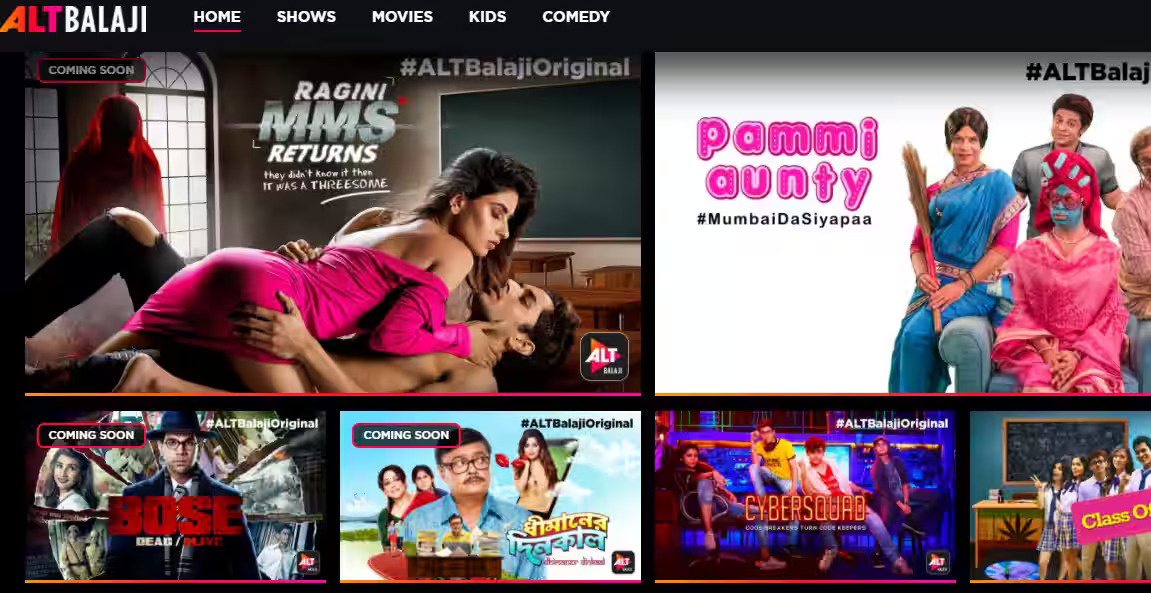
ALTT, a digital platform launched in April 2017 by well-known producerEkta Kapoor, was envisioned as a space for innovative storytelling but gradually became known for bold and adult-themed series.
Ullu, on the other hand, was introduced in 2018 byVibhu Agarwal, an alumnus ofIIT Kanpur. This app quickly gained attention for its adult dramas and short films aimed at the Indian urban audience.
Not the First Crackdown
This isn’t the first instance of government intervention. Back inMarch 2024, authorities had taken similar action, ordering theshutdown of 18 OTT platforms, along with:
19 websites,
10 mobile applications, and
57 social media handles.
These measures were all part of a larger effort tosanitize the digital content space, ensuring it adheres to India’s laws on public decency, morality, and national interest.
Legal Framework Behind the Ban
The government’s decision to block these platforms has been backed by multiple laws that govern digital content and online behavior in India. Here’s a breakdown of the legal provisions invoked:
Information Technology Act, 2000 – Section 67
Publishing or transmitting obscene material in electronic form is a criminal offense.Information Technology Act, 2000 – Section 67A
Sharing material that depicts sexually explicit acts is illegal.
Bharatiya Nyaya Sanhita (BNS), 2023 – Section 294
Engaging in obscene acts or using offensive words in public spaces is punishable.Indecent Representation of Women (Prohibition) Act, 1986 – Section 4
Depicting women in an indecent or degrading manner in any media format is strictly prohibited.

OTT’s Rise During Lockdown: From Growth to Controversy
The global pandemic and nationwide lockdowns in 2020 significantly accelerated the consumption of digital content. With cinemas shut and people confined to their homes,OTT platforms witnessed an explosive rise in viewership.
This surge, however, had a downside.
Platforms likeUlluandALTTbecame known for pushing boundaries by streaming content that was often categorized aserotic, suggestive, or outright adult.
A July 2020 media report highlighted that anadult comedy showstreamed onMX Playerdrew over11 million views in a single day, setting new records.
In fact,ALTT’s monthly active users (MAUs)jumped by21% in 2020, and its viewership reportedly increased by60% compared to 2019.
While these platforms offered entertainment tailored for adult audiences, they also sparked debates around digital censorship, freedom of expression, and ethical broadcasting.
India’s Evolving Guidelines for Digital Platforms
To address these challenges, the Government of India rolled out a set of regulatory measures known as theInformation Technology (Intermediary Guidelines and Digital Media Ethics Code) Rules, 2021. These rules were updated again inApril 2023.
Outlined over30 pages, the rules aim to bring transparency and accountability to:
Social media platforms,
Digital news publishers, and
OTT streaming services.



Key points include:
Platforms must clearly classify their content based ontarget age groups.
A visiblecontent disclaimer or warningmust be shown to users before playback.
OTT and digital platforms arerequired to appoint a Grievance Redressal Officer, who will address user complaints.
All content must avoid:
Pornography
Anti-national themes
Material harmful to women or minors
These rules mark an effort to ensure content creatorsbalance creative freedom with legal and ethical responsibilities.
The Raj Kundra Case: A Wake-Up Call for Digital Regulation
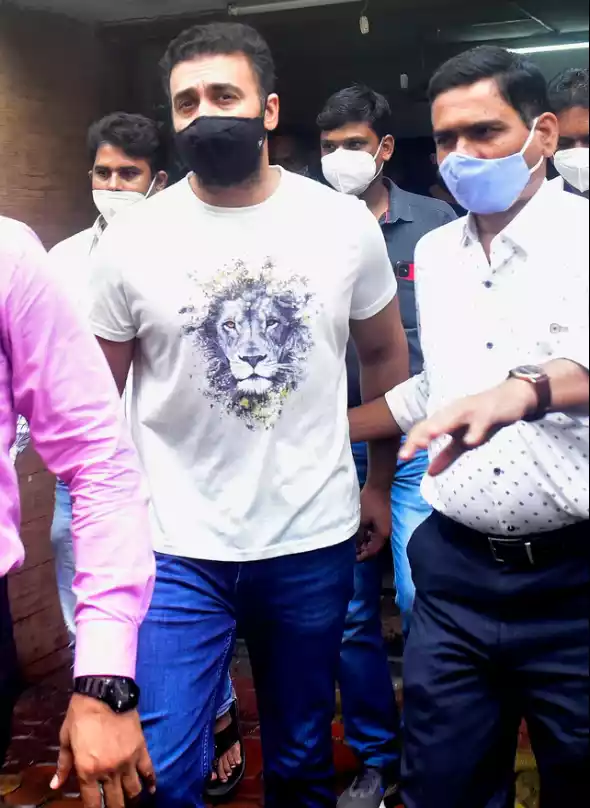
A major turning point in India’s OTT narrative occurred in2021, when businessman and actorShilpa Shetty’s husband, Raj Kundra, was arrested. He was accused of producing and distributingpornographic contentthrough an OTT platform namedHotShots.
This scandal unveiled an underground network whereexplicit videos were being marketed and sold onlineunder the mask of digital entertainment. Although Kundra is currently out on bail, the case forced authorities to look deeper intohow OTT platforms were being misused.

How Did OTT Begin in India?
India’s journey with OTT platforms began in2008, whenReliance EntertainmentlaunchedBigFlix, the country’s first independent OTT service.
In2010,DigiviveintroducedNextGTV, India’s first mobile-based OTT app.
2013-14:NextGTV became the first tostream IPL matches live, setting a new benchmark.
By2015,Hotstar(now known asDisney+ Hotstar) emerged as the most popular platform, thanks to its IPL broadcasting rights.
OTT wasn’t limited to just movies or sports. Soon, platforms likeDitto TVandSony Livstarted bringing popularTV serials from channels like Zee, Sony, Star, and Viacomto the mobile screen.
This flexibility and on-demand availability led to amassive cultural shift, with millions of users turning to OTT for anytime, anywhere entertainment.
A Tipping Point for Digital Entertainment in India
As OTT platforms continue to evolve, so does the debate surrounding censorship, freedom of expression, and user responsibility. The recent ban on Ullu, ALTT, and others marks aturning point in India’s digital media landscape.
While the government has taken a firm stance against obscenity, it also puts pressure on content creators to self-regulate and produce content that entertainswithout crossing moral and legal boundaries.
In the years to come, the balance betweencreative freedom and responsible contentwill likely define the future of OTT in India.
CoinDCX Hack 2025: $44 Million Breach Confirmed — But Why Your Funds Are Still 100% Safe
(Read the latest news of the country and the world first on TalkAaj (Talk Today News), follow us on Facebook, Twitter, Instagram and YouTube)