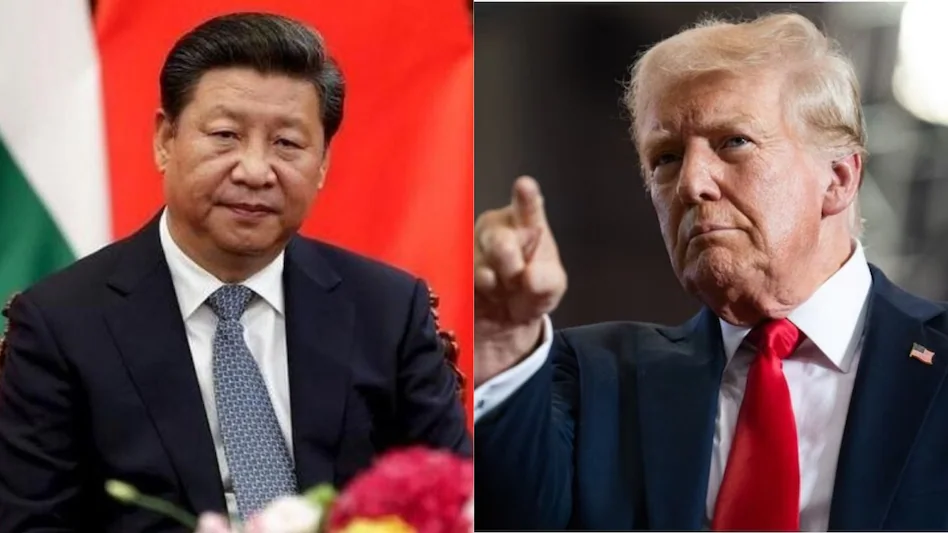
The Tariff War Just Got Real: US Imposes 245% Duty on China
The economic rivalry between theUnited States and Chinahas taken a sharp turn. In response to China’s retaliatory trade actions, theUS government has announced a 245% tariffon selected Chinese imports—marking a major escalation in the ongoing trade dispute between the world’s two largest economies.
According to an official statement from theWhite House, the decision is directly tied to China’s recent trade behavior and growing tensions over critical material exports.
Table of Contents
ToggleBehind the Move: National Security and Economic Pressure
The tariff announcement follows an executive order signed by former US PresidentDonald Trump, which called for a comprehensive investigation into America’sreliance on imported minerals and essential materials. The government cited national security concerns, stating that overdependence on foreign—particularly Chinese—sources could jeopardize the country’s defense capabilities, infrastructure development, and technological innovation.
The White House emphasized that some of the imported materials from China were ofquestionable quality, potentially threatening sectors like aerospace, energy, and manufacturing.
“Excessive dependence on foreign critical minerals compromises our defense systems, supply chains, and innovation potential,” the document noted.
This move aligns with broader economic strategies aimed atreshoring manufacturing, reducing reliance on geopolitical rivals, and encouraging domestic production through policy measures like tariffs and tax incentives.
The Bigger Picture: A Global Trade Strategy Unfolds
While the focus is currently on China, the White House confirmed that the US has applied astandard 10% tariff on imports from all countries, increasing it for nations with which it has significant trade deficits. The goal here is tobalance trade relationshipsandstrengthen domestic industries, especially those considered vital to national interests.
Interestingly,over 75 countries have already initiated discussionswith US trade representatives to renegotiate trade terms. As a result, higher tariffs on some of these nations have been temporarily paused while talks continue.
This global strategy reflects the growing use ofeconomic policy as a geopolitical tool— something digital marketers and global brands must now consider when targeting international audiences or sourcing products abroad.
China’s Countermove: Export Bans on Critical Minerals
In retaliation, China has taken strategic steps to tighten its control over the export of high-tech raw materials. A few months ago, Beijing imposed restrictions on key components such asgallium, germanium, andantimony— all essential to industries likesemiconductors,military tech, andrenewable energy.
सम्बंधित ख़बरें





And just this week, China took it further. It suspended the export ofsix heavy rare earth elementsandrare earth magnets— both of which are indispensable for manufacturing in defense, electric vehicles, wind turbines, and space exploration sectors.
These actions are widely seen as a way toleverage China’s dominance in rare earth supplyto put pressure on industries around the globe, particularly in the West.
“China appears to be deliberately cutting off vital supply chains to disrupt global manufacturers and limit military readiness,” the US administration noted.
This is a classic example ofeconomic warfare—where resources, rather than weapons, are used as bargaining chips in global conflicts.
The Global Ripple Effect: What’s at Stake?
This back-and-forth between the US and China isn’t just political—it’s practical. The fallout could significantly disruptglobal supply chains, especially for industries that depend on these rare materials. From smartphones and satellites to fighter jets and EV batteries, countless products rely on the very materials now caught in the crossfire.
For manufacturers, this means facing potentialcost surges, production delays, and forced shifts in sourcing strategies. As businesses scramble to findalternative suppliers in countries like Australia, Canada, or Vietnam, others are acceleratingR&D effortsto find synthetic or recyclable alternatives.
FAQs: What People Are Asking Right Now
1. Why did the US impose a 245% tariff on Chinese goods?
The US implemented the tariff in response to China’s retaliatory trade measures and export restrictions on critical minerals. The move is aimed at protecting national security and encouraging domestic production.
2. What materials has China restricted from export?
China has placed bans on the export of materials like gallium, germanium, antimony, and several heavy rare earth elements. These are essential to industries such as defense, electronics, renewable energy, and semiconductors.
3. How could this trade war affect global businesses?
Global companies may face increased production costs, supply shortages, and manufacturing delays. Businesses are now looking for alternative suppliers and diversifying sourcing strategies to mitigate risks.